Sorting Games Are a Full Genre Now
A few years ago, most players treated sorting games as a tiny subcategory of mobile puzzlers. In 2026, that view feels outdated. Sorting has become one of the strongest casual puzzle formats on the web because developers have taken one clean idea, then built a surprising number of variations around it.
At their core, sort games ask you to group similar elements together under constraints. But the way those constraints are expressed changes everything. Balls behave differently from liquids. Hex tiles challenge your eyes in a different way than ropes. Themes like birds or cocktails can subtly change how readable and satisfying the puzzle feels. If you think all sort games are interchangeable, you probably have not played enough of them.
Ball Sort Puzzle: The Blueprint
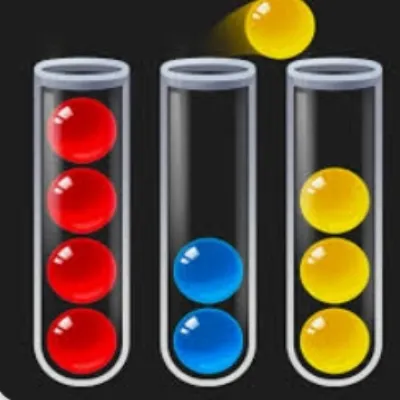
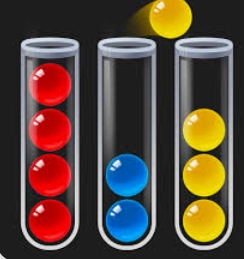
Ball Sort Puzzle is still the cleanest explanation of why the genre works. Colored balls sit inside narrow tubes, and you can only move the top ball from one tube to another. That single restriction creates elegant puzzle tension. You are always balancing three goals at once: free space, color grouping, and future flexibility.
This is the subgenre for players who love visible logic. Nothing is hidden, nothing is random, and every mistake is legible. If you like planning three moves ahead and seeing a neat, orderly board come together, classic tube sorting is still the best place to start.
Water Sort and Cocktail Sort: Same Logic, Different Feel
Water Sort takes the same structural idea and turns it into something more fluid, literally. Pouring layered colors between containers changes the emotional texture of the puzzle. It feels softer, more soothing, and a little less mechanical than ball sorting, even though the underlying logic is closely related.
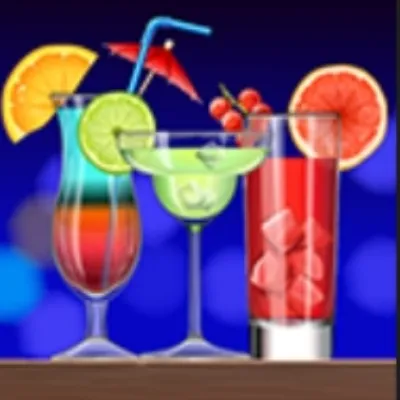
Cocktail Sort builds on that by making presentation part of the appeal. The act of organizing liquids into glasses has a playful charm that makes repeated play easier. These variants are ideal for players who enjoy order and problem-solving but want a more relaxed aesthetic.
Hexagon Block Sort: For Spatial Thinkers
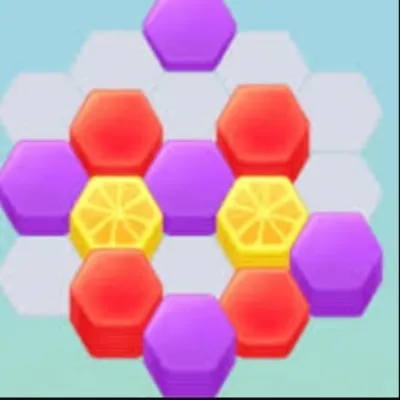
Hexagon Block Sort is where the genre stops feeling like simple organization and starts feeling like genuine spatial strategy. Hex grids are harder for the brain to parse than straight columns. Adjacency changes. Movement patterns become less intuitive. That makes every solution feel a little more earned.
This style works best for players who enjoy seeing shape relationships, not just color stacks. If Ball Sort Puzzle feels too linear for you, hex-based sorting is often the next step up.
Rope Color Sort and Bird Sort: Theme Changes the Readability
Rope Color Sort 3D proves that even when the core logic is familiar, the object being sorted can change the mental load. Ropes create visual entanglement. The colors are still the key, but your eye has to work harder to untangle what belongs where. That gives the game a slightly more tactile, knot-solving flavor.
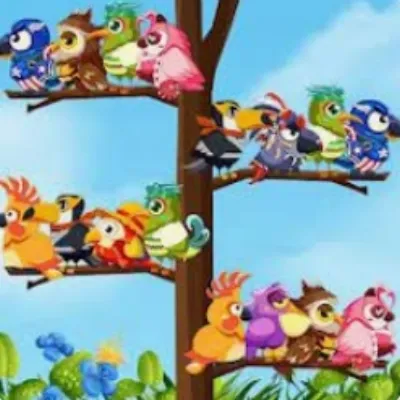
Bird Sort moves in the opposite direction. Its theme makes the puzzle more characterful and immediately readable. Matching birds by perch or color adds personality without breaking the clean logic loop. Players who bounce off abstract puzzle pieces often click with themed sorters much faster.
How to Choose the Right Type of Sort Game
- Choose classic tube sorting if you want pure logic and clean move planning.
- Choose liquid sorting if you want the same brain workout with a calmer, more soothing feel.
- Choose hex sorting if you want heavier spatial reasoning and less predictable board flow.
- Choose rope or character themes if presentation matters to you and you want the mechanics to feel more tactile or playful.
Universal Habits That Improve Every Sort Game
Regardless of subgenre, good sorting players share the same habits. They protect empty spaces like gold. They avoid making “pretty” moves that trap future options. And they think about the entire board before acting on the most obvious move. Strong players are not necessarily faster; they are simply less wasteful.
Another underrated skill is knowing when to undo early. In games like Ball Sort Puzzle and Water Sort, a small mistake made early can become a huge problem later. Reversing quickly is not weakness. It is efficient board management.
Why the Genre Keeps Expanding
Sorting games have grown because they are incredibly modular. Developers can change the object, the grid, the animation style, or the theme and still preserve the core pleasure of turning disorder into order. That gives the genre unusual range. It can feel calm, technical, cute, abstract, or spatially demanding without losing its identity.
That flexibility is great for players because it means you do not have to outgrow the genre. If classic tube sorting becomes too familiar, you can step into hex boards, rope-based variants, or themed character sorters and find a fresh challenge that still speaks the same puzzle language.
It also means the genre scales beautifully with mood. Some days you want the rigorous logic of Ball Sort Puzzle. Other days you want the softer presentation of Water Sort or Cocktail Sort. A full guide matters because “sort game” is no longer specific enough to describe what kind of experience you are actually looking for.
Seen that way, the genre starts to look less like a trend and more like a design framework. Sorting is not one game. It is a versatile puzzle language that can be reshaped for different brains, moods, and levels of patience without losing its core satisfaction.
Final Verdict
Sort games are no longer one-note time fillers. They are a full puzzle family with distinct moods, visual languages, and cognitive demands. Ball Sort Puzzle remains the genre’s foundation, Water Sort and Cocktail Sort are the most relaxing entry points, Hexagon Block Sort is the spatial thinker’s upgrade, and Rope Color Sort 3D plus Bird Sort show how much personality the format can support.
If you only knew sort games as one repetitive mechanic, 2026 is a good time to look again. This genre has more range than it gets credit for, and the right variation can easily become your favorite browser puzzle habit.