Finding Safe Games in an Unsafe Digital World
As a parent in 2026, finding appropriate online entertainment for your children can feel like navigating a minefield. App stores are filled with games that advertise themselves as kid-friendly but contain predatory monetization, inappropriate ads, or excessive data collection. The good news is that browser-based HTML5 games offer a significantly safer alternative, and many of them are genuinely excellent for children.
This guide will help you find the best free online games for your kids, explain why browser games are a safer choice than most app store options, and provide age-appropriate recommendations that balance fun with developmental benefits.
Why Browser Games Are Safer for Kids
Browser games operate in a sandboxed environment, meaning they cannot access your child's personal data, camera, microphone, or contact list. This is a fundamental architectural advantage over native apps, which routinely request permissions that have nothing to do with gameplay.
Additionally, browser games do not require accounts or login credentials. Your child does not need to provide an email address, birthday, or any personal information to play. They simply open a link and start playing. When they are done, they close the tab. No data is stored, no profiles are created, and no tracking follows them across the internet.
The absence of in-app purchases is another significant advantage. Most browser games are ad-supported, which means children cannot accidentally (or intentionally) rack up charges on your credit card. There are no loot boxes, no premium currencies, and no pay-to-progress gates. The game is the game, and it is completely free.
Best Games for Ages 4-7: Simple, Colorful, and Encouraging
Young children need games with simple mechanics, bright colors, and positive reinforcement. The goal is to build confidence and develop basic cognitive skills like color recognition, pattern matching, and cause-and-effect understanding.
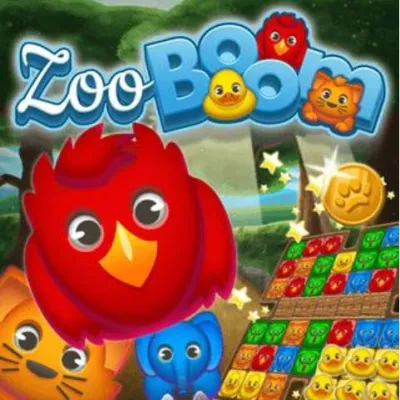
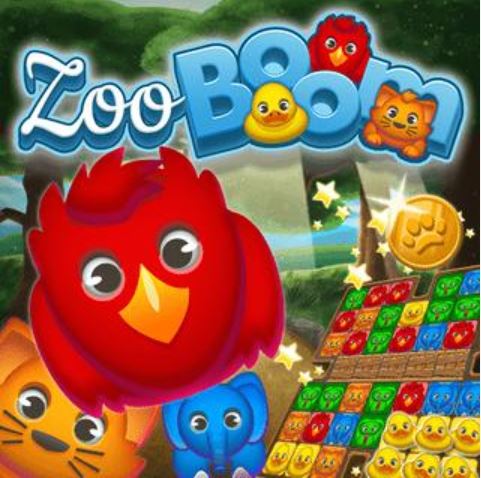
Zoo Boom is an excellent choice for this age group. The match-3 mechanics are simple enough for a four-year-old to understand, and the cute animal theme keeps children engaged. The visual rewards for successful matches, with popping animations and cheerful sounds, provide the kind of positive reinforcement that young children need.
Puppy Blast similarly hits the sweet spot of accessibility and engagement. The adorable puppy characters create an emotional connection that motivates continued play, and the blast mechanics are intuitive enough for small fingers on a touchscreen.
For children interested in colors and liquids, Water Sort provides a gentle introduction to sorting and categorization. The visual metaphor of pouring colored water between containers is immediately understandable, and the early levels are simple enough for young children to complete with minimal help.
Best Games for Ages 8-12: Building Skills and Strategic Thinking
Children in this age range are ready for games that challenge their thinking while remaining engaging. This is the sweet spot for puzzle games, word games, and strategy-lite titles.
Ball Sort Puzzle is perfect for developing logical thinking. The sorting mechanic teaches children to plan ahead, consider multiple options, and understand sequential problem-solving. It is the kind of game that builds genuine cognitive skills while feeling like pure entertainment.
Words of Wonders combines vocabulary building with puzzle-solving. The crossword-style grids encourage children to think about word formation, spelling, and letter patterns. The world-tour theme adds a geography component that sparks curiosity about different countries and landmarks.
For children interested in action games, Alien Attack offers age-appropriate excitement without violence or inappropriate content. The space theme fires up imaginations, and the reflexes required for later levels develop hand-eye coordination.
Setting Healthy Gaming Boundaries
Even the best games need time limits. Here are our recommendations for healthy gaming boundaries based on research and expert guidance:
- Ages 4-7: Limit gaming sessions to 15-20 minutes. Young children benefit from short, focused play sessions followed by other activities.
- Ages 8-12: 30-45 minute sessions are appropriate, with breaks between sessions. Encourage children to take a break every 20 minutes to rest their eyes and move their bodies.
- All ages: Gaming should not replace physical activity, social interaction, or homework. Frame gaming as one of many activities in a balanced day.
A practical tip: use browser games' lack of save progress as a feature, not a bug. Because browser games do not typically save long-term progress, children are not invested in maintaining streaks or returning to specific save points. This makes it psychologically easier to stop playing when the timer goes off.
What to Look for (and Avoid) in Kids' Games
Look for:
- Simple, intuitive controls that do not require reading instructions
- Positive visual and audio feedback for success
- Clear goals that build confidence as they are achieved
- No violent or scary content
- No social features that expose children to strangers
Avoid:
- Games that require personal information or account creation
- Games with chat features or social media integration
- Games with in-app purchase prompts
- Games with ads that redirect to external websites
- Games that punish failure harshly (reducing progress, negative sounds)
Gaming as a Family Activity
Some of the best gaming experiences happen when parents play alongside their children. Puzzle games like Ball Sort Puzzle are perfect for collaborative problem-solving. Take turns suggesting moves, discuss strategies together, and celebrate successes as a team. This transforms gaming from a solitary screen activity into a bonding experience.
For competitive families, comparing scores on games like Zoo Boom creates friendly competition that everyone can participate in. Grandparents, older siblings, and parents can all play the same game and compare results, creating shared experiences across generations.
Our Final Recommendation
The safest and most beneficial gaming experience for children is one where a parent is involved. Whether that means playing together, discussing what they played, or simply being in the room, parental engagement is the single most effective way to ensure gaming remains a positive experience.
Browser games on our platform are free, safe, require no downloads or accounts, and offer genuine entertainment and educational value. Start with the recommendations in this guide and explore from there. Happy gaming, families!