Merge Games Reward Planning More Than Speed
Merge games look simple because the core action is simple: combine two matching units to make a stronger one. But anyone who has spent real time with the genre knows that the tap-and-drag surface hides a dense layer of planning. Serious players are not just merging. They are managing board economy.
That economy has three moving parts: available space, future merge chains, and the opportunity cost of every unit on the board. Once you start thinking in those terms, merge games stop feeling random and start feeling strategic.
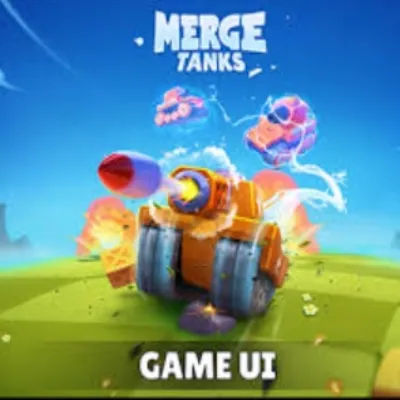
Merge Tanks: The Best Place to Learn Discipline
Merge Tanks remains the clearest game for learning advanced merge habits. Every weak decision shows up fast. If you clutter the board with too many low-level units, your progress stalls. If you merge thoughtlessly, you lose flexibility. If you hold the right pieces at the right time, the whole board starts to feel efficient.
The strongest Merge Tanks players think in build paths. They know which units they are feeding, which spaces need to stay free, and when a temporary sacrifice is worth it to unlock a better chain later.
The Most Common Mistake: Merging Because You Can
Newer players merge the moment they see a match. Advanced players ask whether the merge improves the board. Those are not the same thing. Sometimes keeping two identical pieces separate for a few more turns preserves layout control, lets you set up a triple sequence, or keeps a critical space available.
This principle applies across the genre, whether you are playing Merge World, Merge Battle, or Merge Attack. A merge that creates immediate satisfaction can still be strategically poor if it collapses your structure.
Board Space Is the Real Currency
The most underrated skill in merge games is empty-space management. A board that looks “full of value” is often actually fragile. When every tile is occupied, you have no room to pivot, no room to combine efficiently, and no room to absorb randomness.
Strong players maintain breathing room deliberately. They do not panic when a few spaces are empty because they understand those spaces are what make future high-value merges possible. In advanced play, open tiles are not wasted potential. They are strategic capital.
Tempo Matters: When to Build Wide and When to Build Tall
Another key distinction is tempo. Sometimes you should spread resources across several medium-level pieces because the board state demands flexibility. Other times you should push one merge line aggressively to unlock a power spike. The trick is recognizing which phase you are in.
Merge Love and Merge World are especially good for learning this because they often tempt you into broad, pretty boards. The disciplined player knows when to stop decorating and start consolidating.
Knowing When to Reset a Plan
Advanced merge play also means recognizing when your original plan is no longer the best plan. Maybe the board is too cramped to keep feeding the same unit line. Maybe a new set of pieces has made a different merge path more efficient. Strong players adjust early instead of clinging to a dead structure out of stubbornness.
That flexibility is what separates disciplined players from rigid ones. Good merge strategy is not about following one script forever. It is about reading the board honestly, then committing hard once the best line becomes clear.
Value Is Not Always Visible
One of the hardest lessons for serious merge players is that the strongest board does not always look the most impressive. A board packed with medium-tier pieces can feel productive while actually being inefficient. Meanwhile, a board with fewer visible upgrades but better spacing and cleaner merge lanes is often much stronger.
That is why emotional decision-making is so dangerous in the genre. Players love visible progress, but visible progress is not the same as strategic progress. The best players learn to prefer efficient structure over cosmetic satisfaction, and their results improve immediately because of it.
Once you internalize that distinction, merge games become much calmer. You stop chasing every tempting combination and start building with intent. That change in mindset is what allows advanced players to stay consistent across different titles instead of relying on lucky boards.
In other words, advanced merge play is less flashy than most people expect. It is patient, tidy, and sometimes a little stubborn. But that discipline is exactly what makes long runs and big upgrades feel earned instead of accidental.
If you enjoy games that reward organization, judgment, and restraint, the merge genre has far more to offer than its cozy visuals imply. Its strongest moments come when a carefully managed board suddenly converts into a perfectly timed chain of upgrades, and you realize the result came from planning rather than luck.
That is the feeling serious players keep chasing. Not more chaos, not more tapping, but a cleaner plan executed at exactly the right moment. Once you experience that, it becomes very hard to settle for sloppy merge play again.
And that is why merge games remain so compelling long after the first novelty of combining pieces wears off.
Depth keeps them alive.
Advanced Rules Worth Remembering
- Do not merge on impulse. First ask what the board will gain or lose.
- Protect open lanes. Empty spaces are the engine of efficient chains.
- Feed a plan. Know which unit line is currently your priority.
- Avoid emotional clutter. A board full of “useful someday” pieces is usually a bad board.
Final Verdict
If you want to improve seriously at merge games, stop measuring progress by how often you merge. Measure it by how clean your board looks after ten turns. Merge Tanks is still the best training ground, but the same high-level lessons apply to Merge World, Merge Battle, Merge Love, and Merge Attack.
The genre is much deeper than its cozy drag-and-drop surface suggests. Once you treat empty space, timing, and merge order as strategic tools, you stop playing reactively and start playing well.