The Most Played Genre in Gaming History
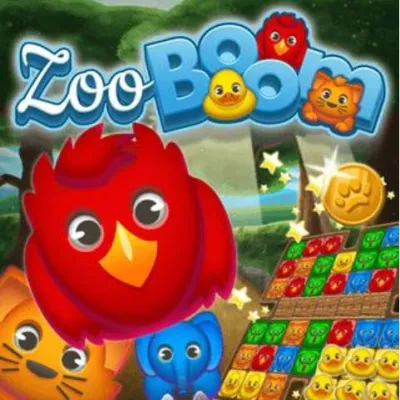
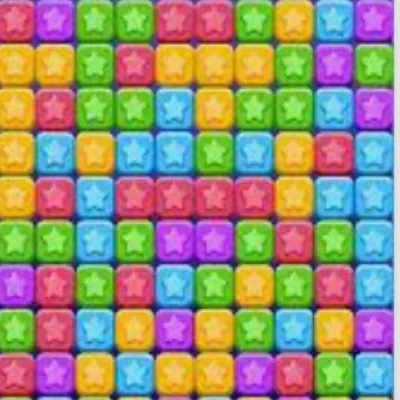
Match-3 games have been a dominant force in casual gaming for over two decades, and their popularity shows no signs of fading. From the earliest gem-swapping puzzles to modern titles like Zoo Boom and Bear Boom, the core mechanic of matching three or more identical items has proven to be one of the most universally appealing game concepts ever devised.
But why? What is it about matching colored gems, fruits, or animals that keeps billions of players coming back? The answer lies in a fascinating intersection of psychology, game design, and neuroscience.
The Dopamine Loop: Small Wins, Constant Rewards
At the neurological level, match-3 games are dopamine machines. Every successful match triggers a small dopamine release in the brain, the same neurotransmitter associated with pleasure, reward, and motivation. But what makes match-3 games particularly effective is the frequency of these rewards.
In a typical match-3 level, you might make twenty or thirty successful matches in just a few minutes. Each one provides a tiny burst of satisfaction, and the chain reactions where one match triggers another create compounding dopamine hits that feel genuinely exciting. Compare this to other game genres where rewards might come every few minutes or after completing an entire level. Match-3 games deliver gratification on a second-by-second basis.
This rapid-fire reward structure creates what psychologists call a "variable ratio reinforcement schedule," the same mechanism that makes slot machines compelling. You know a big combo or cascade is possible, but you do not know exactly when it will happen. This uncertainty keeps you engaged and constantly anticipating the next satisfying moment.
Pattern Recognition: Your Brain's Favorite Activity
Humans are hardwired for pattern recognition. Our brains evolved to identify patterns in our environment because recognizing patterns helped our ancestors find food, avoid predators, and navigate complex social situations. Match-3 games tap directly into this deeply ingrained cognitive ability.
When you scan a match-3 board, your brain is doing what it does best: finding order in apparent chaos. Spotting a match among dozens of colorful icons produces a genuine cognitive reward, a small "aha!" moment that feels satisfying on a level that transcends the game itself. Games like Puppy Blast enhance this with charming visual designs that make the pattern-finding even more enjoyable.
The Illusion of Skill and the Reality of Chance
One of the most clever aspects of match-3 game design is the balance between skill and luck. Good players genuinely perform better than random players because they spot efficient matches and plan ahead. This creates a sense of mastery and personal improvement that is deeply motivating.
However, the random nature of which items fill the board after each match means that luck plays a significant role. Sometimes you get an amazing cascade completely by accident, and it feels incredible. Other times, the board simply does not cooperate regardless of how well you play. This blend of skill and randomness keeps the experience unpredictable, which is essential for long-term engagement.
Visual and Audio Design: Sensory Optimization
Successful match-3 games are masterpieces of sensory design. The color palettes are carefully chosen to be visually distinct yet harmonious. The animations for matches, cascades, and power-ups are tuned to feel satisfying without being distracting. The sound effects, from the gentle clink of a basic match to the explosive boom of a power-up activation, provide audio reinforcement for every action.
Games like Star Boom exemplify this attention to sensory detail. The visual feedback when you create a large combo is genuinely thrilling, with particle effects and screen shakes that communicate the impact of your actions. This multi-sensory feedback loop amplifies the dopamine response and makes every successful action feel meaningful.
The "One More Turn" Phenomenon
Match-3 games are uniquely susceptible to the "one more turn" effect. Each level is short enough that starting another one feels like a trivial commitment. "I will just do one more level" is the mantra of match-3 players worldwide, and it is a trap that works because each level genuinely does only take a few minutes.
This is reinforced by the level structure itself. Most match-3 games present levels as a progression along a map, with each completed level revealing the next one. The visual progress along the map creates a sense of momentum that makes stopping feel wrong. You are always just one level away from the next milestone, the next new mechanic, the next story beat.
Social Comparison and Competition
Even in single-player match-3 games, social elements drive engagement. Score comparisons, even informal ones, create competitive motivation. Knowing that a friend scored higher on a level gives you a concrete goal to work toward, transforming a solitary activity into a social one.
Games on our platform like Zoo Boom feature scores and star ratings that naturally encourage this kind of friendly competition. "I got three stars on that level" becomes a social currency that keeps players returning to improve their performance.
The Comfort Factor
Finally, match-3 games are comfortable. They are familiar, non-threatening, and cognitively manageable. You can play them while watching TV, during a commute, or during a work break without needing to commit full attention. This low cognitive load makes them the perfect ambient activity, something to engage your hands and a small part of your brain while the rest of you relaxes.
This comfort extends to the themes and aesthetics. Cute animals in Puppy Blast, colorful gems, cheerful music. Match-3 games create a cozy, welcoming atmosphere that feels safe and pleasant. In a world full of stress, there is real value in a game that simply makes you feel good.
Playing Match-3 Games Mindfully
Understanding the psychology behind match-3 games does not diminish their enjoyment. In fact, it can enhance it. Knowing why a cascade feels so good does not make it feel less good. But awareness of these mechanisms helps you play mindfully, enjoying the experience without letting it consume more time than you intended.
Set a timer if you need to, take breaks between sessions, and most importantly, choose games that respect your time. The match-3 games on our platform are free, have no energy systems, and never pressure you to spend money. They are designed to be enjoyed, not exploited. Give Zoo Boom, Bear Boom, or Star Boom a try and experience the magic of match-3 for yourself.